


Premenstrual dysphoric disorder is one of the most underdiagnosed conditions in women’s mental health. Despite causing symptoms severe enough to significantly impair daily functioning during the luteal phase of the menstrual cycle — including intense depression, anxiety, emotional dysregulation, and physical complaints — PMDD is frequently misidentified as ordinary PMS, dismissed as an exaggerated hormonal response, or treated with approaches that fall well short of what the evidence supports. For women who have been living with PMDD without an accurate diagnosis or effective PMDD treatment, understanding what proper psychiatric care looks like is an important first step.
Finding qualified PMDD treatment near me means identifying a psychiatric practice that understands PMDD as a distinct clinical entity with a specific biological basis and well-established evidence-based treatment options — not one that offers generic symptom management or conflates PMDD with ordinary premenstrual discomfort.
What Distinguishes PMDD from Ordinary PMS
The American College of Obstetricians and Gynecologists provides clinical guidance on PMDD that clearly distinguishes the condition from premenstrual syndrome. The key distinction is functional impairment: PMDD symptoms — which include severe depression, marked anxiety, pronounced irritability, emotional dysregulation, and physical symptoms including fatigue and bloating — interfere significantly with work, relationships, and daily activities in ways that ordinary PMS does not.
PMDD follows a predictable cyclical pattern: symptoms emerge in the luteal phase, typically one to two weeks before menstruation begins, and resolve within a few days of the period starting. This cyclical quality is diagnostically important — a woman with PMDD typically functions well during the follicular phase of her cycle and experiences a qualitatively different psychological state during the luteal phase. Prospective symptom tracking across at least two consecutive cycles is the gold standard for confirming the diagnosis, because retrospective self-report tends to underestimate the degree to which symptoms are specifically linked to the luteal phase rather than present throughout the cycle.

The Biological Basis of PMDD
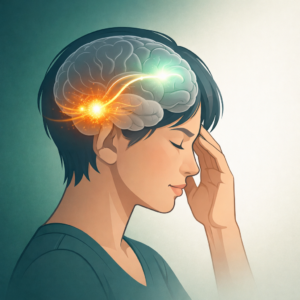
PMDD is not caused by abnormal hormone levels. Women with PMDD typically have hormone concentrations within normal ranges throughout their cycles. What appears to distinguish them is an abnormal sensitivity of the central nervous system to the normal hormonal fluctuations of the luteal phase — particularly the metabolites of progesterone that interact with GABA receptors and the serotonin system in the brain.
This neurobiological framework explains why pharmacological treatment targeting the serotonin system is effective in PMDD. SSRIs produce clinically meaningful improvement in mood, anxiety, and irritability symptoms typically within one to two menstrual cycles — considerably faster than their response timeline in major depressive disorder, reflecting the condition’s specific mechanism. This rapid response is itself a useful diagnostic feature: when SSRI treatment produces fast, substantial improvement that tracks the luteal phase, it supports the PMDD diagnosis and guides subsequent treatment decisions.
Continuous vs. Luteal-Phase Dosing
One of the most clinically important features of SSRI treatment for PMDD is that it can be administered intermittently — during the luteal phase only — rather than continuously throughout the month. This luteal-phase dosing approach is effective for many patients and substantially reduces side effect burden compared to continuous dosing. For women who are otherwise healthy and not taking medication for any other indication, the ability to treat PMDD without daily year-round medication is a significant practical advantage.
The decision between continuous and luteal-phase dosing requires psychiatric judgment informed by the patient’s specific symptom pattern, the severity and onset timing of their symptoms within the luteal phase, and whether there is any co-occurring mood or anxiety disorder that warrants continuous treatment. A psychiatrist who works through this decision systematically is providing the individualised care that PMDD treatment genuinely requires — and that distinguishes specialist psychiatric management from the general practice prescription of a standard antidepressant dose without these specific considerations.
When First-Line Treatment Is Not Sufficient
A proportion of patients with PMDD do not achieve adequate relief from SSRIs, or have side effects or contraindications that preclude their use. In these cases, alternative pharmacological approaches include SNRIs, anxiolytics for predominantly anxiety-dominant presentations, and in severe or refractory cases, approaches that suppress ovulation and eliminate the cyclical hormonal fluctuations that drive the condition. These approaches range from hormonal contraceptives with evidence for PMDD management through to GnRH agonists in the most severe presentations — all of which require specialist psychiatric and sometimes gynaecological input to manage safely and effectively.
The Overlap with Other Mood Conditions
PMDD frequently co-occurs with other mood and anxiety disorders, and the diagnostic picture can be complicated when a patient has both an underlying depressive or anxiety disorder and a superimposed PMDD component. Careful symptom tracking across the menstrual cycle is essential to distinguish the cyclical PMDD component from persistent mood symptoms present throughout the month. A psychiatrist who insists on this diagnostic precision before finalising treatment recommendations is providing care that will produce better outcomes than one who treats the presenting complaint without establishing the relative contributions of different clinical components.
Finding Care in New Jersey and New York
For women in the New York metropolitan area, accessing psychiatric care with specific experience in PMDD and related conditions is the most important step toward effective treatment. A practice that understands both the diagnostic requirements and the specific pharmacological approaches that PMDD warrants, and that can manage PMDD alongside any co-occurring mood or anxiety conditions in an integrated way, is best positioned to deliver care that addresses the full clinical picture.
For patients who also experience mood symptoms beyond the luteal phase, accessing integrated care that covers both conditions produces better outcomes than managing them separately. PMDD Treatment at a practice with the clinical depth to distinguish and manage the PMDD and depressive components simultaneously provides the diagnostic coherence that leads to genuinely effective treatment.
Final Thoughts
PMDD is a biologically grounded, effectively treatable condition whose burden on affected women is entirely disproportionate to the clinical attention it has historically received. Evidence-based psychiatric treatment produces meaningful relief for the large majority of patients who access it — but only when the provider understands the specific diagnostic and treatment requirements that make PMDD management different from standard depression or anxiety care.