info@hwscenter.com

en English

How Does TMS Therapy Compare to Medication for Managing ADHD Symptoms?

TMS for ADHD

Attention-deficit hyperactivity disorder affects focus, impulse control, and executive functioning across all stages of life. For many individuals, stimulant or non-stimulant medications are the first line of treatment. However, medication does not work for everyone and may come with unwanted side effects or limited long-term benefit.


As interest in non-pharmacological options grows, many patients and families are asking how newer interventions compare. One question comes up frequently. How does TMS for ADHD compare to traditional medication management?


This guide clearly, clinically, and objectively breaks down the differences so patients can make informed treatment decisions.

Neuropsychological Assessment

Understanding ADHD Treatment Options

ADHD is a neurodevelopmental condition characterized by dysregulation of brain networks responsible for attention, motivation, and behavioral control. Treatment typically focuses on improving daily functioning rather than curing the condition.


Most treatment plans include one or more of the following:

  • Prescription medication

  • Behavioral therapy or coaching

  • Lifestyle and environmental adjustments

  • Neuromodulation approaches such as TMS therapy

Each option works through a different mechanism and carries distinct benefits and limitations.

How ADHD Medications Work

impulse control, particularly dopamine and norepinephrine.

Common Benefits of ADHD Medication

  • Rapid symptom improvement

  • Increased focus and alertness

  • Reduced hyperactivity and impulsivity

Common Limitations

  • Appetite suppression and sleep disruption

  • Increased anxiety or irritability

  • Cardiovascular considerations

  • Tolerance or diminishing effect over time

  • Limited benefit for some individuals

Medication can be effective, but it does not change underlying brain connectivity patterns. For patients who cannot tolerate medication or do not experience meaningful improvement, alternatives are often explored.

Medication

What Is TMS Therapy and How Does It Work for ADHD?

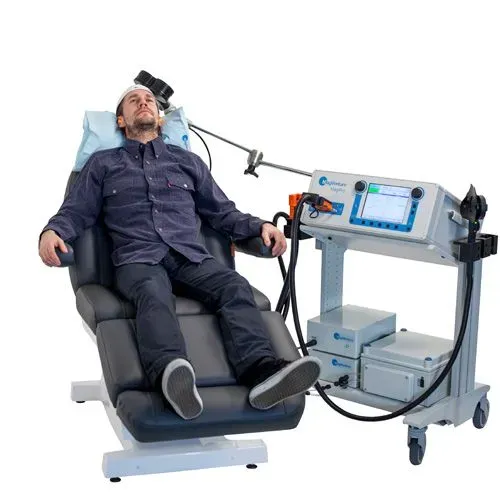
Transcranial Magnetic Stimulation is a non-invasive therapy that uses magnetic pulses to stimulate targeted regions of the brain. In ADHD treatment, stimulation typically focuses on areas involved in executive function, attention regulation, and cognitive control.

Unlike medication, TMS works by directly influencing neural circuits rather than altering neurotransmitter levels systemically.

Key Characteristics of TMS Therapy

  • Non-invasive and drug-free

  • No systemic side effects

  • Does not require daily medication adherence

  • Targets brain activity patterns linked to attention and impulse control

TMS therapy is performed in an outpatient setting and allows patients to resume normal activities immediately after each session.

Who May Benefit More From TMS for ADHD?

TMS therapy may be appropriate for individuals who:

  • Do not respond adequately to ADHD medication

  • Experience significant medication side effects

  • Have co-occurring anxiety or mood disorders

  • Prefer a non-medication-based approach

  • Want a treatment that targets brain function directly

A comprehensive evaluation is essential to determine candidacy and ensure treatment is tailored to the individual.

TMS Therapy Success Rates

Is TMS Therapy a Replacement for Medication?

TMS therapy is not always a replacement for medication. In some cases, it may be used alongside medication or behavioral therapy. In others, it may serve as an alternative when medication is ineffective or poorly tolerated.

Treatment decisions should always be guided by a qualified mental health professional who understands both neuromodulation and psychiatric care.

There is no one-size-fits-all solution for ADHD. The most effective treatment plans are personalized, evidence-based, and responsive to how the brain functions rather than relying solely on symptom suppression.

For individuals seeking an alternative to medication, TMS therapy offers a promising, science-backed option that addresses ADHD at the neurological level. Contact HWS Center today to schedule a consultation! 

SEND US A MESSAGE

Schedule a consultation! Provide your contact information below and we’ll get back to you as soon as we can.


How Can We Help?

Frequently Asked Questions

We've Got Answers

Is TMS Therapy FDA Approved For ADHD?

Transcranial Magnetic Stimulation is FDA-approved for conditions such as major depressive disorder and obsessive-compulsive disorder. While TMS is not currently FDA-approved specifically for ADHD, it is often used off-label based on emerging clinical research and neurobiological evidence. Many mental health treatments are used off-label when supported by science and clinical outcomes. A thorough evaluation helps determine whether TMS therapy is an appropriate option for managing ADHD symptoms.

Can TMS Help With Adult ADHD Symptoms?

Adult ADHD often presents differently from childhood ADHD, with symptoms such as difficulty sustaining attention, impaired executive function, emotional dysregulation, and disorganization. TMS therapy targets brain regions involved in these cognitive processes, making it a promising option for adults who struggle with persistent symptoms. Clinical observations and early studies suggest that some adults experience improvements in focus, task completion, and mental clarity following a structured course of TMS therapy.

Does TMS Therapy Affect Medication Use?

TMS therapy may influence how patients respond to ADHD medication, but a prescribing provider should always manage changes to medication. Some individuals find that TMS therapy improves symptoms enough to reduce reliance on medication, while others continue medication as part of a combined treatment approach. TMS is not intended to replace medication abruptly. Instead, it may enhance overall symptom management and provide greater flexibility in long-term treatment planning.

How Long Do TMS Results Last For ADHD?

The duration of TMS therapy benefits varies based on individual brain response, symptom severity, and co-occurring conditions. Some patients experience lasting improvements in attention and executive function after completing a full treatment course. Others may benefit from periodic maintenance sessions to sustain results. Because ADHD is a chronic condition, long-term outcomes are best supported through individualized treatment plans and ongoing clinical monitoring.

Is TMS Therapy Safe For Long-Term Use?

TMS therapy has been extensively studied and is considered safe when administered by trained professionals in accordance with established clinical protocols. It is non-invasive and does not involve anesthesia or systemic medication exposure. Long-term use has not been associated with cognitive decline or neurological harm. Most side effects are mild and temporary, such as scalp discomfort or headache. Safety screening ensures that TMS therapy is appropriate for each patient.

MORE Blog POSTS