
If standard antidepressants have not helped you, the word “ketamine” has probably come up by now. So has Spravato. A lot of people assume the two are the same thing. They are related, but they are not the same treatment, and the differences matter when you and your doctor are choosing a next step.
Here is the short version of esketamine vs ketamine. Spravato is a nasal spray made from esketamine, one half of the ketamine molecule. It is FDA-approved for treatment-resistant depression and is only given in certified clinics. Ketamine infusions use the whole molecule through an IV and are used off-label for depression. Below is what that means in real life.
Same family, different molecules
Ketamine is made of two mirror-image forms, a bit like your left and right hands. Esketamine is one of those two forms, and Spravato contains only esketamine.
Both act on glutamate, one of the brain’s main chemical messengers, by blocking a receptor called NMDA. Most common antidepressants work on serotonin instead. That different route is one reason both treatments can help people who did not get better on pills.

FDA status is the biggest difference
Ketamine has been used for decades as an anesthetic. Its FDA approval covers anesthesia only, given as an IV or IM injection. Doctors can still prescribe it for depression “off-label,” which is legal and fairly common. But it also means there is no single official dose or schedule, so protocols vary from clinic to clinic.
Spravato went through FDA trials specifically for depression. It was approved in 2019 for adults with treatment-resistant depression, taken alongside an oral antidepressant. In 2020 the approval expanded to adults with major depressive disorder who have acute suicidal thoughts or behavior. Then in January 2025, the FDA approved Spravato on its own, with no daily antidepressant required, for treatment-resistant depression. In the study behind that approval, 22.5% of patients reached remission at week 4, compared with 7.6% on placebo.
“Treatment-resistant” usually means you have tried at least two antidepressants, at a proper dose and for long enough, without enough relief.
How each treatment is given
Spravato. You spray the medicine into your own nose, but only in a certified clinic and with staff watching. It falls under an FDA safety program called a REMS, which requires at least two hours of monitoring after every dose. Blood pressure gets checked along the way, since the rise tends to peak about 40 minutes in. Per the label, the usual schedule is twice a week for weeks 1 to 4, once a week for weeks 5 to 8, then weekly or every other week after that.
If you want a feel for how one practice runs this, Village TMS in Manhattan has laid out what a typical two-hour Spravato session looks like from start to finish, including what to do before you arrive.
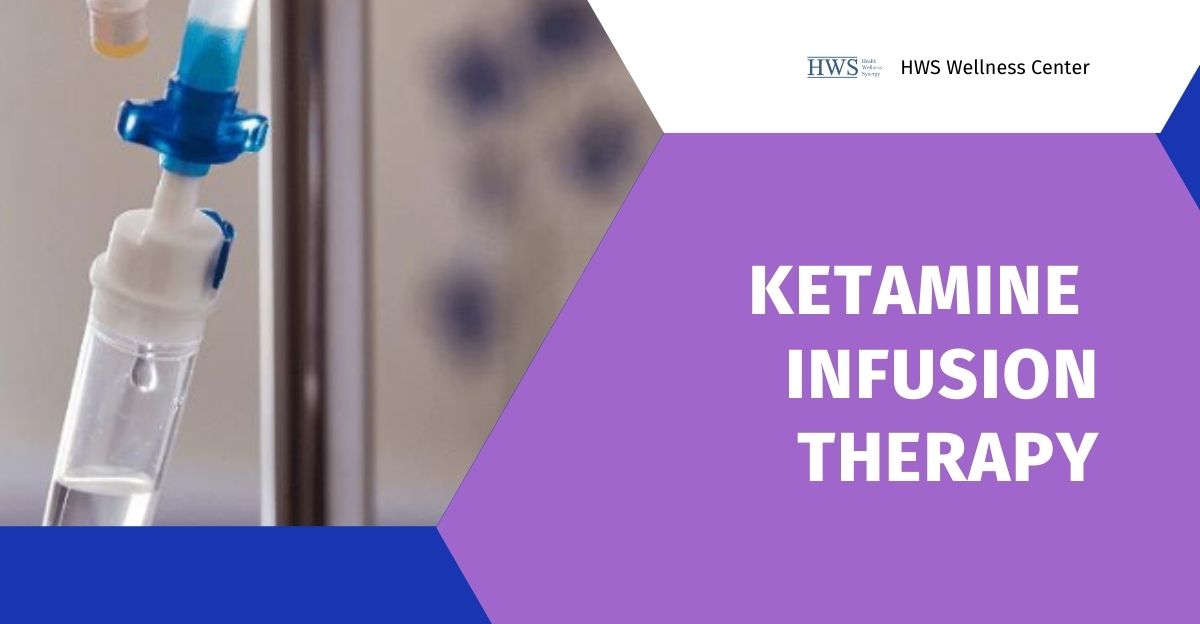
Ketamine infusions. Ketamine goes in through an IV drip, usually over about 40 minutes, followed by some recovery time. A common pattern is a series of infusions over a few weeks, then occasional maintenance sessions. Because this is off-label, the details depend on the clinic. Some practices pair ketamine with talk therapy, often called ketamine-assisted psychotherapy.
With either option, you cannot drive yourself home. The Spravato label says not to drive or run machinery until the next day, after a good night’s sleep.

Esketamine vs ketamine side effects and safety
The side effects overlap quite a bit. Both can cause dissociation (feeling detached, dreamy or “floaty”), dizziness, nausea, sleepiness and a jump in blood pressure. For most people these ease off during the observation window. In Spravato trials, 41% of patients felt dissociation, compared with 9% on placebo.
Both medicines are Schedule III controlled substances, so misuse risk is taken seriously. Neither is a good fit for everyone. Certain blood vessel conditions, a history of bleeding in the brain, uncontrolled high blood pressure and some psychiatric or substance use histories can rule a person out. Your psychiatrist will screen for these first.
One thing worth knowing: the FDA warned in October 2023 about compounded ketamine products used at home, including pills and lozenges sold through some telehealth services. These are not covered by a REMS, so nobody is required to watch for slowed breathing or a spike in blood pressure. The agency found no evidence they are safer or work better than FDA-approved options.
Cost and insurance
This is where many patients feel the difference most. Spravato is an FDA-approved, brand-name drug, so many insurance plans cover it. Expect a prior authorization and paperwork showing which antidepressants you already tried.
Ketamine for depression is mostly self-pay, since insurers rarely cover off-label uses. Some people get part of the cost back through out-of-network benefits, but you should not count on it. Either way, call your plan before you start and ask exactly what they need.

Which one makes more sense for you?
Neither treatment wins across the board. Spravato may be the better fit if you want an FDA-approved option, need insurance to help with cost, and can set aside two afternoons a week during the first month. Ketamine infusions may suit you better if paying out of pocket is fine, you want treatment paired closely with therapy, or your doctor wants more room to adjust dosing.
And some people decide on neither. TMS, for example, is an FDA-cleared, drug-free option for depression that does not involve sedation or a ride home.
A few questions to bring to your psychiatrist:
- Do I meet the definition of treatment-resistant depression?
- Would my insurance cover Spravato, and what would ketamine cost me?
- Is anything in my health history a reason to avoid either one?
- How many visits a week would I need, and for how long?
- How will we know if it is working, and when would we try something else?
The esketamine vs ketamine question does not have one right answer. It comes down to your history, your budget and your schedule. Having those facts in hand makes the conversation with your doctor a lot easier.